
Intelligent CA Storage Control
Complete visibility into controlled atmosphere conditions, treatment applications, and fruit health. Optimize storage decisions with predictive intelligence.
Understanding Controlled Atmosphere Storage
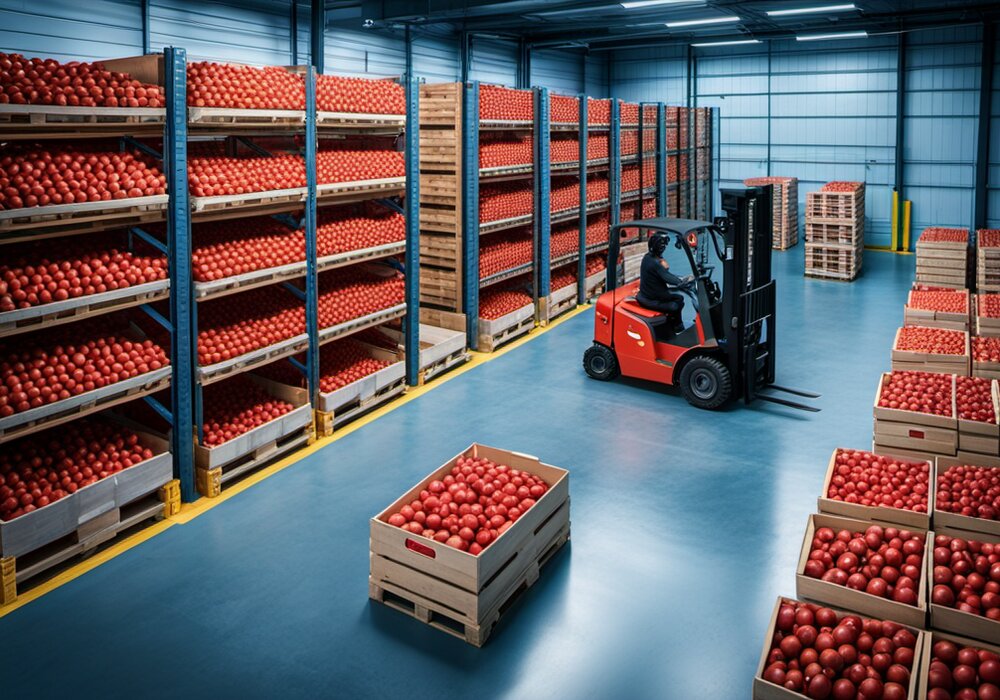
Controlled Atmosphere (CA) storage dramatically extends fruit shelf life by slowing respiration and ripening. By reducing oxygen from normal 21% to 1-3%, increasing carbon dioxide to 0.5-2.5%, maintaining temperature between 1-3°C, and humidity near 95%, fruit can be preserved for 6-12 months while maintaining firmness, flavor, and nutritional content.
SmartBin monitors every aspect of this environment and links conditions to individual bin records, enabling correlation analysis between storage conditions and quality outcomes.
Room Assignment & Positioning
Multi-layer GPS positioning tracks every bin from facility down to specific stack position. Know exactly where every bin is located and how long it has been there.
Location Layers:
- Facility: Multi-site operation support
- Building: Warehouse or cold storage structure
- Room: Individual CA chamber
- Row: Aisle position within room
- Stack: Vertical position (up to 6 layers)
- Bay: Specific slot within stack
Data Captured:
- Entry timestamp
- Quality snapshot at entry (pressure, Brix, DA)
- Movement history within storage
- Exit timestamp and destination
Continuous Atmospheric Monitoring
Real-time integration with CA monitoring equipment captures every environmental parameter affecting fruit quality.
Oxygen
Target: 1-3%
(Normal air: 21%)
Carbon Dioxide
Target: 0.5-2.5%
(Normal air: 0.04%)
Temperature
Target: 1-3°C
(33-37°F)
Humidity
Target: 90-95%
Prevents dehydration
Integration Protocols
SmartBin connects to existing CA monitoring equipment via industry-standard protocols:
- Modbus RTU/TCP for industrial controllers
- BACnet for building automation systems
- HTTP/REST for modern monitoring platforms
- MQTT for IoT sensor networks
Alerting & Notifications
Proactive notifications when conditions deviate from optimal ranges:
- SMS and email alerts for critical thresholds
- Dashboard warnings for trending issues
- Historical trending for equipment diagnostics
- Automatic escalation protocols
SmartFresh 1-MCP Documentation
Complete documentation of 1-Methylcyclopropene (1-MCP) treatments that block ethylene receptors and extend storage life. Every treatment is linked to all bins present during application.
Data Captured:
- Application timestamp and duration (hours)
- Concentration in parts per billion (ppb)
- Room temperature during treatment
- Applicator company and personnel
- Certification and license numbers
- Automatic linking to all bins in room
Treatment Efficacy Analysis
Firmness Retention Correlation
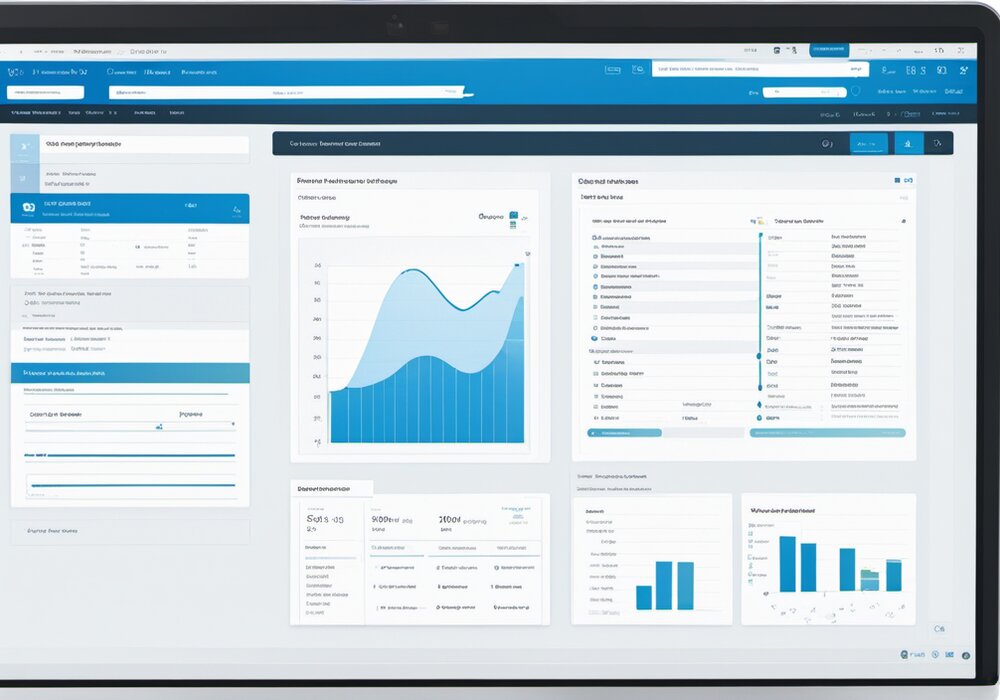
SmartBin correlates treatment parameters with firmness retention during storage. Track which concentration levels and durations deliver optimal results for each variety.
Energy Optimization Potential
Research indicates 35% energy savings possible by storing SmartFresh-treated fruit at slightly higher temperatures while maintaining quality. SmartBin data enables these optimizations.
Dynamic Controlled Atmosphere Integration
Connect to DCA monitoring systems that detect early signs of fruit stress, enabling proactive adjustments to atmospheric conditions.
HarvestWatch Integration
Chlorophyll fluorescence monitoring detects low-oxygen stress before visible damage occurs. SmartBin integrates HarvestWatch sensor data to:
- Track fluorescence readings per room
- Alert when approaching stress thresholds
- Recommend oxygen level adjustments
- Link stress events to bin records
SafePod Integration
Respiration rate monitoring identifies bins requiring early pack-out. SmartBin integrates SafePod data to:
- Monitor respiration trends over time
- Identify high-respiration bin zones
- Prioritize bins for early pack-out
- Correlate with entry quality data
Intelligent FIFO Recommendations
Traditional date-based first-in-first-out lacks context about actual fruit condition. Two bins entering the same day may have dramatically different remaining quality potential.
Factors Considered:
- Entry maturity: Starch index, DA meter readings
- Handling quality: Transport vibration scores
- In-storage testing: Periodic quality checks
- DCA sensor alerts: Stress indicators
- Predicted shelf life: ML-based estimation
- Treatment status: SmartFresh application
Priority 1 - Immediate
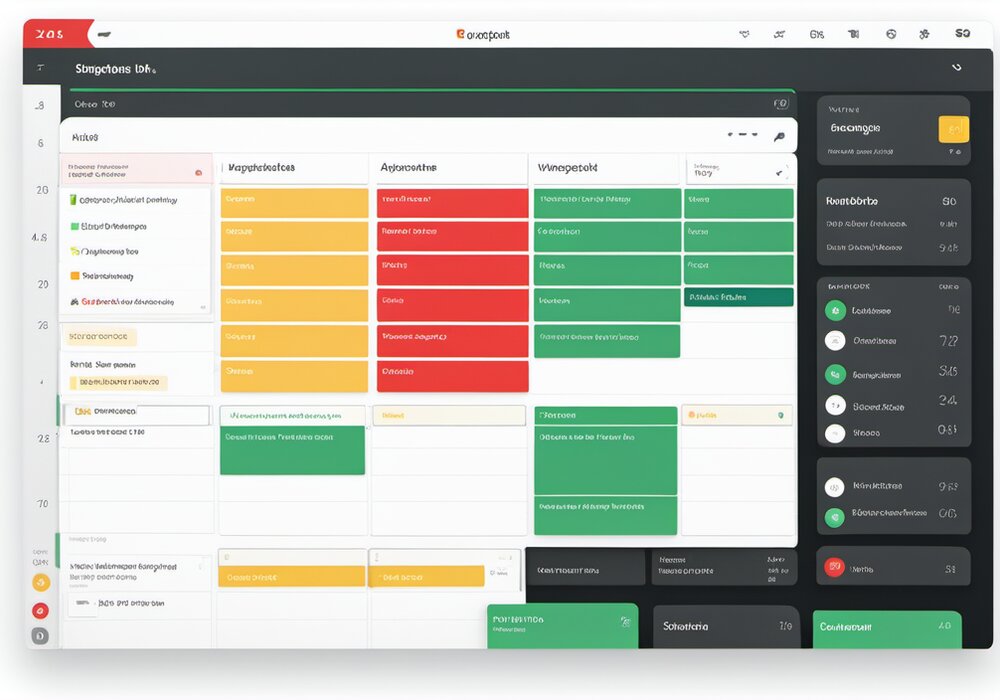
Bins showing stress indicators, declining quality tests, or advanced maturity at entry. Pack within 1-2 weeks to maximize value.
Priority 2 - Standard
Bins with normal quality trajectory matching expected storage duration. Follow standard scheduling with regular monitoring.
Priority 3 - Extended
Bins with optimal entry maturity, excellent handling scores, and stable quality indicators. Suitable for extended storage.
Pack-Out Scheduling Optimization
Plan packing line schedules based on predicted fruit availability and quality trajectories.
Demand-Based Planning
- Match customer orders to available quality levels
- Reserve premium bins for premium customers
- Route lower-quality bins to processing
- Forecast availability by grade and size
Waste Reduction
- Identify bins approaching quality thresholds
- Prevent over-storage and quality degradation
- Optimize cold room utilization
- Maximize value from each bin
Optimize Your Storage Operations
Schedule a demonstration to see how SmartBin's intelligent storage management can reduce waste and maximize fruit quality.